
 By
By A founder has a product idea, a mood board, and a launch date in mind. Then the real question lands: white label vs contract manufacturing? For beauty brands, that choice shapes far more than production. It affects speed to market, formula ownership, brand differentiation, margins, and how confidently you can scale.
If you are building a skincare, haircare, or beauty line, this is not a small operational detail. It is an early strategic decision that can either keep things simple or open the door to a more customized brand position. The right path depends on what you want your brand to be known for and how much control you want over the product behind the label.
White label vs contract manufacturing: the core difference
At a glance, white label is the faster, more standardized option. Contract manufacturing is the more tailored, collaborative one.
White label usually means choosing from pre-developed formulas that are already tested, produced, and ready to be branded as your own. You select a product, customize packaging and design elements, and bring it to market under your brand name. This model works well when speed matters and the formula itself is not meant to be unique.
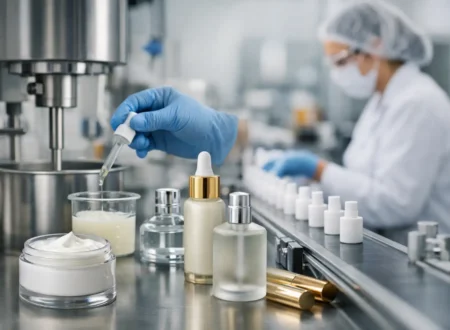
Contract manufacturing goes further. Instead of selecting from an existing catalog, you work with a manufacturing partner to develop or refine a product based on your brand goals, target customer, texture preferences, ingredient direction, and performance expectations. It is more hands-on and more strategic. You are not just buying a finished base product. You are building something with greater intention.
That difference matters because consumers may only see the packaging first, but long-term brand growth usually depends on what happens after the first use. Texture, feel, scent, performance, consistency, and product story all play a role.
When white label makes sense
White label can be a smart starting point, especially for early-stage founders who want to test demand without taking on a long development cycle.
If your priority is getting to market quickly, white label reduces complexity. The formulation work is already done, the manufacturing process is established, and timelines are often more straightforward. For a founder launching a first collection or testing a niche audience, that can be a practical advantage.
White label also suits brands that plan to compete primarily on branding, packaging, audience connection, or retail strategy rather than formula innovation. If your strength is building a strong visual identity and a sharp customer experience, a ready-made product line can help you move faster.
That said, speed comes with limits. Because the formulas are pre-existing, your ability to create something distinctive is narrower. You may have fewer options to shape the product around a specific brand promise or market gap. If several brands use similar base products, your differentiation needs to come from somewhere else.
When contract manufacturing makes sense
Contract manufacturing is often the better fit for founders who want a product that feels distinctly theirs.
This model gives you room to develop custom formulations, adjust textures and scents, align ingredient choices with your brand direction, and create a more original product experience. If your brand story depends on premium positioning, innovation, or a signature hero product, this route usually offers more long-term value.
It is also a strong choice for established brands that are ready to improve an existing line, solve consistency issues, or create products designed for a specific audience segment. Maybe you want a cleanser with a lighter skin feel, a body product with a richer finish, or a haircare formula developed around a particular market need. Contract manufacturing gives you that level of collaboration.
The trade-off is time and involvement. Development, sampling, revisions, packaging coordination, and production planning all require more decision-making. But for many brand owners, that added effort is exactly what creates a stronger market position.
The real trade-off is control
Founders often compare white label and contract manufacturing as a question of budget or speed. Those factors matter, but control is usually the deeper issue.
With white label, the manufacturer has already made most of the key product decisions. That can be helpful if you want simplicity. It can also feel limiting if your brand grows and you start wanting more distinction.
With contract manufacturing, you have more influence over the final product, but you also carry more responsibility in the decision-making process. That includes formula direction, packaging choices, testing stages, production readiness, and future scale planning.
Neither model is automatically better. It depends on whether you want convenience or customization, and whether your brand is being built around speed or around product identity.
White label vs contract manufacturing for startup brands
For startup beauty brands, the right answer often comes down to stage, confidence, and business model.
If you are validating an idea, launching with a small product range, or entering a crowded market with a fresh branding angle, white label may help you start cleanly. It lowers the barrier to entry and lets you focus on brand building, content, and customer acquisition.
If you already have a clear vision for what your product should feel like and who it is for, contract manufacturing may save you from outgrowing your products too quickly. A common mistake is launching fast with formulas that do not fully support the brand position, then needing to redevelop later. That can create added work, customer confusion, and unnecessary delays.
A good manufacturing partner should help you think beyond launch day. The best path is not always the fastest one. It is the one that fits the brand you want to build six months and two years from now.
Questions to ask before you choose
Before choosing either model, be honest about what matters most to your brand.
Ask yourself whether your product needs to be unique or simply market-ready. Think about whether your customers are buying primarily because of brand identity, or because they expect a differentiated formula experience. Consider how quickly you want to launch, but also how you want to scale.
It also helps to think about operational support. Some founders do not just need a manufacturer. They need a partner who can guide formulation development, production planning, quality control, and packaging coordination in a way that reduces friction and protects quality as the brand grows.
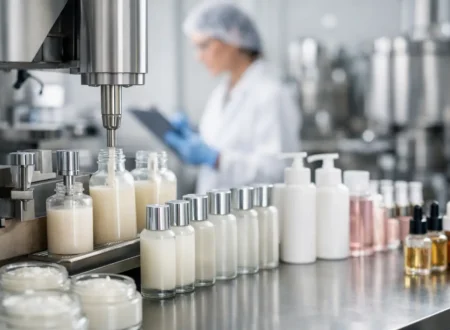
That is especially important in cosmetics, where consistency matters. A product may look impressive in a sample jar, but scaling it successfully requires disciplined manufacturing systems, skilled formulation support, and quality standards that hold up from one run to the next.
Why partnership matters more than the model
The white label vs contract manufacturing decision matters, but the partner behind the process matters just as much.
A reliable manufacturer should not push you into a one-size-fits-all path. They should help you assess your goals, your timeline, your market position, and your future product roadmap. Sometimes that means recommending a simpler route. Other times it means developing a more customized solution that gives your brand stronger footing.
For beauty founders across Australia and New Zealand, that kind of guidance can make the process feel far less overwhelming. The right partner brings clarity to formulation development, production, and quality control so you can move forward with confidence instead of guesswork.
GlowSense works with brand owners who want more than a supplier. They want a manufacturing partner who understands how to bring a vision to life with precision, premium quality, and practical support at every stage.
The best choice is the one that matches your brand ambition
If your goal is to launch quickly with a proven product base, white label may be the smart move. If your goal is to create a product line with stronger differentiation and long-term brand equity, contract manufacturing is usually the better fit.
The key is making the decision on purpose. Not based on what sounds easier, but based on what gives your brand the strongest foundation.
If you are weighing white label vs contract manufacturing for your next beauty product, contact GlowSense for a free quote or consultation and start shaping a product line that reflects your vision with confidence and precision.