 By
By A launch date can look realistic on paper and still fall apart once formulation revisions, packaging lead times, and production scheduling enter the picture. That is why having the cosmetic production timeline explained clearly matters so much for beauty founders. If you know what happens at each stage, you can make better decisions, avoid rushed compromises, and bring your brand to market with more confidence.
For most skincare, haircare, and beauty products, production is not one single event. It is a chain of decisions, approvals, sourcing steps, testing checkpoints, and manufacturing windows that need to line up properly. Some projects move quickly because they use a straightforward formula and readily available packaging. Others take longer because the brand wants a custom texture, specialty components, or multiple rounds of refinement. The difference usually comes down to complexity, responsiveness, and planning.
Cosmetic production timeline explained by stage
A realistic production timeline often begins well before anything enters a mixing vessel. The earliest phase is concept development, where the brand defines what it wants to launch, who it is for, and what kind of product experience it wants to create. This sounds simple, but clarity here saves time later. A moisturizer for sensitive-feeling skin, for example, needs a different formulation path than a brightening serum with a silky, fast-absorbing finish.
Once the concept is clear, formulation development begins. If you are selecting from proven private label bases with light customization, this stage can move relatively fast. If you are building a fully custom product from scratch, expect more back and forth. Chemists develop a formula, samples are prepared, and the brand reviews texture, scent, appearance, and overall performance. It is common for there to be one or more revisions.
This is where founders sometimes lose time without realizing it. Delayed feedback on samples, changing the brief midway through development, or adding new requirements after testing can all push the schedule out. The product may still be worth the extra time, but the timeline should reflect those decisions honestly.
Formulation is often the biggest variable
Many founders assume manufacturing itself is the longest part of the process. In reality, formulation and approvals often create the biggest swings in schedule. A simple body lotion may come together quickly, while a more complex serum or mask can take longer to refine. Texture expectations, fragrance direction, ingredient compatibility, and packaging fit all affect timing.
There is also a practical side to custom work. A formula may perform beautifully in the lab, but still need adjustment for stability, filling behavior, or compatibility with the chosen container. Precision matters here. A premium product should not just feel good in a sample jar. It should also manufacture consistently at scale.
Packaging can speed up or slow down the timeline
Packaging selection often overlaps with formulation work, and it deserves more attention than many new brands give it. Bottles, jars, tubes, pumps, droppers, labels, cartons, and secondary packaging all have their own lead times. Some are available quickly. Others require longer sourcing windows or minimum manufacturing runs from component suppliers.
Packaging also has to work with the formula. A product with a certain viscosity may need a specific pump. A formula with active-looking natural color variation may look better in opaque packaging than clear packaging. If packaging is chosen too early without understanding the formula, or too late after label design is finalized, the project can stall.
The smoothest projects usually involve packaging decisions being made in parallel with formulation milestones, not after them. That way, compatibility checks, decoration planning, and artwork timing all stay aligned.
Artwork and approvals take longer than expected
Even when packaging components are in stock, artwork can still become a bottleneck. Labels and printed cartons need accurate product details, ingredient declarations, and design approval. Small changes can trigger another review cycle. This is especially true when multiple stakeholders are involved, such as founders, designers, and operations teams.
A clean approval process helps. When decision-makers are aligned early, the project keeps moving. When feedback comes in fragments, timelines stretch.
Testing, compliance checks, and pre-production planning
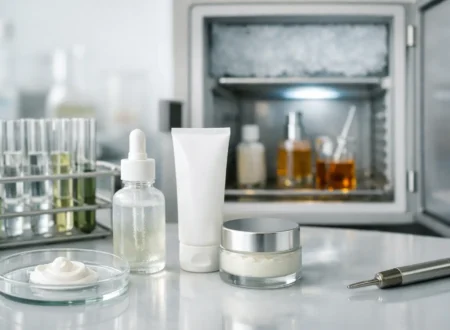
After formula approval, there is usually a period of testing and final technical review before full production. The exact requirements depend on the product type and project scope, but this stage is where consistency and readiness are confirmed. It is not the most glamorous part of the process, yet it protects the brand from avoidable problems later.
At the same time, production planning starts to firm up. Raw materials are ordered, packaging is confirmed, batch documentation is prepared, and manufacturing slots are scheduled. This stage depends heavily on supplier timing. If one key component arrives late, the whole production window can shift.
That is why experienced manufacturing partners keep a close eye on sequencing. Premium outcomes come from discipline, not guesswork. A brand may be eager to push ahead, but moving into bulk production before all elements are ready often creates more delays, not fewer.
What happens during manufacturing
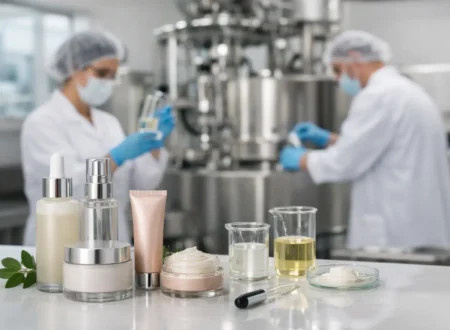
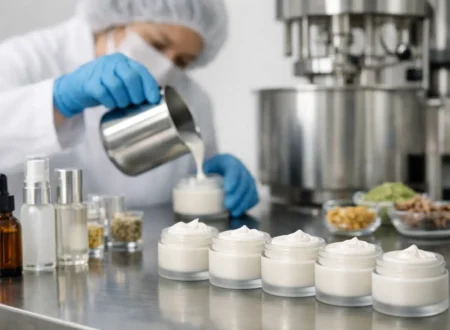
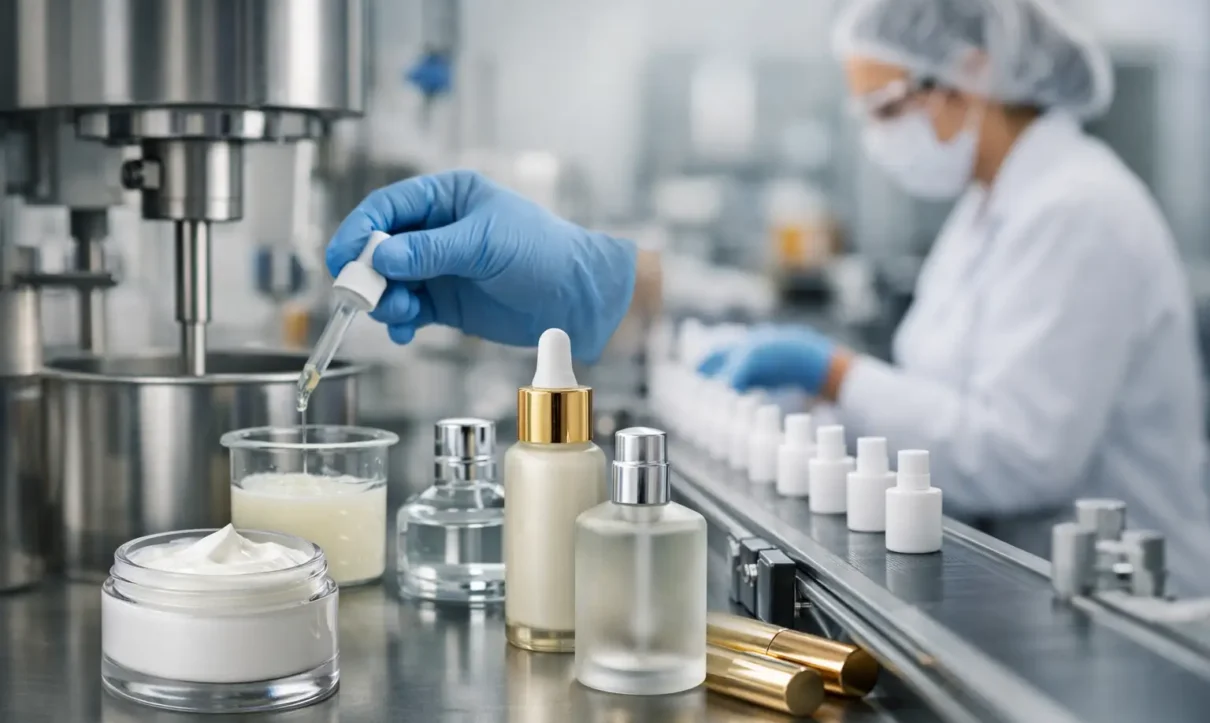
When people ask for the cosmetic production timeline explained, they are often thinking about the factory floor. The manufacturing phase includes bulk compounding, filling, assembly, labeling, and final quality checks. Depending on batch size and product format, this part may be relatively efficient once everything upstream is approved and available.
That said, production is never just about speed. Bulk manufacturing needs to follow the approved formula precisely. Filling lines need to be set correctly for the component. Labels must be applied consistently. Finished goods must be checked before release. The better the preparation, the smoother this stage runs.
For brands launching multiple SKUs at once, production can become more layered. A cleanser, serum, and cream may each have different packaging formats, fill procedures, and scheduling needs. Coordinating them together takes planning, especially if the goal is a unified launch date.
Quality control is built into the timeline
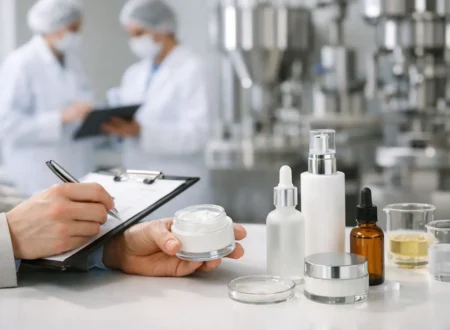
Quality control should not be viewed as a final box to tick. It runs through the entire process, from raw material verification to in-process checks and finished product review. For founders, this matters because product consistency shapes customer trust. A beautiful brand story can attract attention, but repeat purchases depend on what arrives in the customer’s hands.
Stringent quality assurance may add structure to the timeline, but that structure supports scale. It is far better to build time for proper checks than to rush production and create avoidable rework.
How long does the full timeline usually take?
The honest answer is: it depends. A simpler private label project with available packaging can move faster than a custom development project with tailored formulation, decorated components, and multiple approvals. A brand that gives fast, clear feedback will usually move quicker than one still refining its positioning mid-project.
In broad terms, timelines are shaped by five things: formulation complexity, packaging lead times, approval speed, testing requirements, and production scheduling. If all five are straightforward, the path is shorter. If two or three become moving targets, the launch window extends.
This is not necessarily bad news. Taking more time can lead to a stronger product and a more polished brand presentation. The real issue is not a longer timeline. It is an unrealistic one.
How founders can keep the timeline on track
The best way to shorten delays is to make confident decisions early. Start with a clear brief. Know your product category, target customer, preferred format, and must-have brand details. If you are still exploring everything at once, development naturally becomes slower.
It also helps to separate preferences from essentials. Maybe custom packaging is central to your positioning. Maybe it is simply nice to have for version two. Not every launch needs maximum complexity. Many successful brands begin with a focused range, establish market traction, and expand once operations are proven.
Fast feedback matters too. When sample reviews, packaging approvals, or artwork sign-offs sit untouched for days or weeks, momentum disappears. A responsive brand team gives the manufacturing process room to perform well.
Most of all, work with a partner that explains trade-offs plainly. If a packaging choice adds lead time, you should know. If a formula adjustment improves stability but changes texture slightly, that should be discussed. Good manufacturing partnerships are collaborative. They help you balance speed, quality, and brand vision without pretending every project follows the same path.
Bringing a beauty product to market should feel exciting, not chaotic. When the process is mapped clearly from concept to finished goods, timelines become easier to manage and launch planning becomes much stronger. If you are ready to bring your brand’s vision to life with a manufacturing partner that values precision, customization, and quality at every stage, contact GlowSense for a free quote or consultation.