
 By
By A moisturizer that looks perfect in the lab can separate after a few weeks in a hot warehouse. A serum with a beautiful texture can turn cloudy in the wrong bottle. A balm that feels luxurious on day one can harden, soften, or lose its payoff long before it reaches a customer.
That is why stability testing matters so much for beauty brands. It is not a box to tick before launch. It is the work that helps protect product quality, brand reputation, and customer experience once a formula moves into real-world conditions.
For founders building a skincare, haircare, or beauty line, this cosmetic product stability testing guide will help you understand what stability testing is really checking, where problems usually show up, and how to think about testing as part of smarter product development.
What cosmetic product stability testing is really for
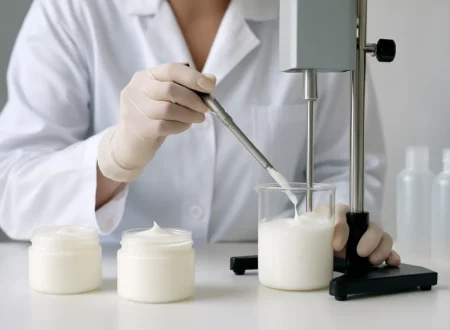
At a basic level, stability testing looks at whether a cosmetic product stays within its intended quality over time. That includes appearance, texture, odor, color, viscosity, pH where relevant, and overall compatibility with packaging.
But for a brand owner, the bigger question is simpler. Will this product still feel, look, and perform like your brand promises after manufacturing, shipping, storage, and normal use?
A stable product should remain consistent through the conditions it is likely to face. That might include heat during transport, temperature swings in storage, light exposure on shelves, or repeated opening and closing in a customer’s bathroom. A formula does not need to be indestructible. It does need to be fit for its intended use and packaging.
That is where many early-stage brands get caught out. They focus heavily on the first sample approval, which makes sense emotionally. You finally have a product that feels right. But sample approval and long-term stability are not the same thing. One tells you whether you like the formula now. The other helps show whether it will stay true over time.
A practical cosmetic product stability testing guide for founders
The most useful way to approach stability testing is to see it as a conversation between formula, packaging, and environment. If one of those three changes, the stability profile can change too.
Formula stability
This is the core of the product itself. Does the emulsion stay together? Does the viscosity drift? Is the fragrance stable? Does the product change color or develop an off odor? Depending on the formula type, there may also be concerns around sedimentation, syneresis, crystallization, or changes in spreadability.
Different formats come with different risks. Creams and lotions are often watched for separation and viscosity changes. Gels can shift in clarity or structure. Oils may face oxidation concerns. Scrubs, masks, and pigmented products can settle or become uneven. A haircare product may stay chemically fine but lose the sensory profile that made it appealing in the first place.
Packaging compatibility
A formula can be stable in bulk and still fail once filled. Packaging compatibility testing checks whether the product interacts with the container, pump, cap, liner, or applicator.
This matters more than many founders expect. Certain formulas can discolor components, soften internal parts, cause leakage, or become harder to dispense over time. Airless packaging may support one product beautifully and frustrate another. Transparent packaging may look premium but expose the formula to light-related changes. Jar packaging may suit texture but increase repeated exposure during use.
Environmental stress
Products rarely live in perfect conditions. They move through production, warehousing, freight, retail shelves, and bathrooms. Stability testing often uses controlled stress conditions to predict how a product may behave across that journey.
Common stress factors include elevated temperatures, lower temperatures, freeze-thaw cycling where appropriate, and light exposure. These conditions are not meant to be theatrical. They are meant to reveal weaknesses early, while there is still time to adjust the formula or packaging.
What stability testing typically looks at
A good testing plan is not about generating paperwork for its own sake. It is about choosing the right observations for the type of product being developed.
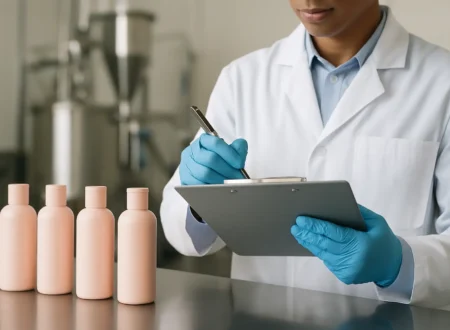
Most cosmetic stability programs monitor appearance first, because visual changes are often the earliest warning sign. That includes color shift, haze, separation, phase changes, sediment, and changes in gloss or clarity. Texture comes next, since a product that becomes grainy, runny, sticky, or too thick can quickly fall short of customer expectations.
Odor is another important marker. A scent profile that drifts over time can indicate broader formula change, even when the product still looks acceptable. For products where pH matters, monitoring pH helps identify formula movement that may affect performance or preservation. Viscosity testing is also common, especially for products that need a specific flow and dispensing behavior.
Then there is packaging performance. Does the pump still work consistently? Is the cap secure? Is there any leakage, paneling, swelling, staining, or corrosion? A premium product experience depends on these details more than many launch plans account for.
Why results are rarely just pass or fail
One of the most helpful things to understand is that stability testing is not always a dramatic yes-or-no verdict. Often, the results sit in a gray area that needs expert interpretation.
For example, a slight shift in viscosity may be acceptable for one product but a problem for another. A small color change may be expected with certain ingredient profiles, but not appropriate for a bright, minimalist brand aesthetic. A formula might remain stable in the primary pack but struggle in a travel-size format.
This is why partnership matters. Testing data is only useful if someone can interpret what it means for your product positioning, packaging choice, manufacturing process, and launch timeline.
When to start stability testing
The short answer is earlier than most brands think.
Stability testing should begin once you have a formula and packaging direction worth validating, not after every brand asset is finalized. Waiting too long can create expensive delays. If a product shows instability late in development, you may need to reformulate, change packaging, or push back production.
There is also a practical balance to strike. Testing too early, before the formula is close to final, can waste time if major revisions are still likely. Testing too late can put pressure on the launch calendar. The right moment is usually when the formula is commercially realistic and the pack format is close to intended use.
For founders planning a seasonal launch or retailer pitch, this timing matters. Stability work takes time. Fast decisions in branding do not shorten how long a product needs to prove itself under test conditions.
Common reasons products fail stability expectations
Some issues come from the formula itself. An emulsion may need better optimization, a thickening system may not hold up under temperature stress, or a fragrance may not behave well in the base. Other issues come from the gap between lab success and scaled manufacturing, where process conditions can affect the finished result.
Packaging can also be the weak point. The container may not protect the formula well enough, or the dispensing system may not suit the product viscosity. Sometimes the problem is not obvious until filled samples are stored and used over time.
And sometimes the issue is strategic. A founder may request a specific texture, natural look, clear bottle, and fast launch all at once. Those goals are understandable, but they can work against each other. Premium product development often involves trade-offs. The best outcome usually comes from aligning sensory goals with technical reality early.
How manufacturers use stability testing to reduce launch risk
A strong manufacturing partner does more than run a test and send back a result. They use stability testing to guide better decision-making across formulation development, packaging selection, and production planning.
That might mean adjusting a formula to improve consistency under heat, recommending a different closure to reduce leakage risk, or refining the filling process so the final product behaves more predictably. These are not dramatic changes. Often, they are the small technical decisions that protect the luxury feel of the finished product.
For growing brands, this is where precision becomes a commercial advantage. The smoother your formula performs in testing, the more confidence you can have in repeat production, customer satisfaction, and long-term brand trust.
What founders should ask before approving a product
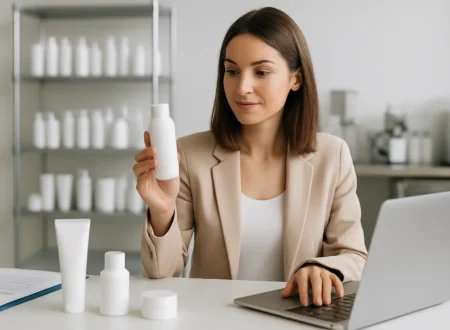
Before moving ahead, ask whether the formula has been evaluated in its final or near-final packaging. Ask what changes were monitored, over what time frame, and under which storage conditions. Ask whether there were any borderline observations, not just whether the product passed internal review.
You do not need to become a cosmetic chemist. But you do need enough visibility to make informed brand decisions. A polished sample on your desk is only part of the picture. The real test is whether that same product still reflects your standards after time, transport, and use.
When stability testing is handled well, it quietly protects everything your customer notices – texture, appearance, scent, dispensing, and consistency from batch to batch. That is the kind of precision that helps a beauty brand feel credible from the very first launch.
If you are developing a skincare, haircare, or beauty product and want a manufacturing partner who treats stability as part of building a better brand, GlowSense can help bring your vision to life with formulation expertise, quality-focused production, and practical guidance at every step. Contact GlowSense for a free quote or consultation.