
 By
By A skincare idea usually sounds simple at first – a cleanser for sensitive skin, a gel cream with a fresh finish, a serum that feels more premium than what is already on the shelf. The hard part is learning how to develop a skincare prototype that actually performs well, fits your brand, and can be manufactured consistently.
For founders, this is the point where vision meets discipline. A prototype is not just a sample that smells nice and looks polished. It is the first working version of your product, built to test texture, stability, packaging fit, ingredient direction, and overall brand alignment. Get this stage right, and the rest of your launch becomes far more efficient.
What a skincare prototype really needs to do
A prototype should answer practical questions, not just creative ones. Does the formula match the product brief? Does it apply the way your customer expects? Does it hold up over time? Can it be filled into your chosen packaging without problems?
That is why prototype development is more than mixing ingredients and hoping for the best. A beautiful concept still needs technical structure behind it. The closer your prototype gets to real-world production conditions, the more useful it becomes.
For early-stage brands, this often means balancing ambition with realism. You may want a premium sensory profile, a distinct texture, and a trend-aware ingredient story. But every choice affects stability, compatibility, manufacturing efficiency, and lead times. Strong development work is about making smart decisions early.
How to develop a skincare prototype from concept to sample
The most efficient prototypes start with a clear brief. If the brief is vague, the development process drifts. If the brief is focused, your chemist and manufacturing partner can build with purpose.
Start with the product vision
Before any formulation work begins, define what the product is meant to be in the market. This includes the category, texture, finish, target customer, and how you want the product to feel in use. A lightweight daily moisturizer and a rich overnight cream may both sit in the moisturizer category, but they require very different formulation decisions.
This is also where positioning matters. Are you building a minimal everyday staple, a luxe hero product, or part of a wider collection? The answers shape everything from ingredient selection to packaging style.
A strong brief usually covers product type, target skin feel, preferred appearance, fragrance direction if applicable, packaging format, and any ingredient preferences. It should also clarify what matters most. If you want a silky after-feel more than a thick texture, say that. If pump compatibility is essential, that should be part of the brief from day one.
Build the first formula around function
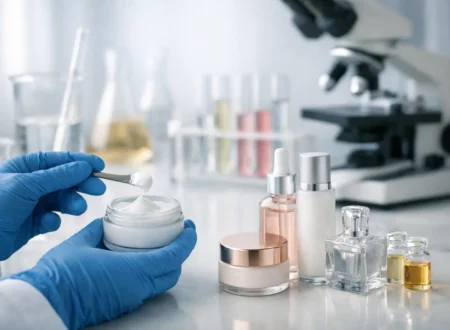
Once the brief is clear, prototype development moves into formulation. This is where chemistry and brand strategy need to work together. The goal is not to create the most complex formula possible. It is to create a formula that performs as intended, is stable, and can scale.
In many cases, the first lab sample is a starting point rather than a finished answer. You might love the hydration level but want a faster rub-in. You might like the texture but find the finish too shiny. These are normal refinements, not setbacks.
This stage benefits from honest feedback. Founders sometimes focus heavily on marketing language before the formula itself is truly right. It is better to get the product performance sorted first. Claims, visuals, and launch assets are much easier to build once the prototype behaves the way it should.
Refine texture, appearance, and user experience
Skincare is sensory. Customers notice spreadability, absorption, slip, residue, fragrance, and visual appeal within seconds. A prototype has to deliver on these small but decisive moments.
This is why sample review matters. When assessing a prototype, look beyond whether you personally like it. Ask whether it matches the customer expectation created by your branding and packaging. A sleek, modern serum in premium glass packaging should not feel heavy or cloudy unless that is part of the intended experience.
There are trade-offs here. A richer formula may feel more luxurious, but it may also take longer to absorb. A very light gel texture may feel elegant, but it may not support the ingredient profile or packaging style you originally planned. Prototype refinement is often about choosing which qualities matter most to your end user.
Testing matters earlier than most founders expect
One of the biggest mistakes in product development is treating testing like a final checkpoint. It works better as an active part of prototyping.
Stability and compatibility are part of prototype development
A skincare sample that looks perfect for one week is not enough. You need to understand how the formula holds up over time and under different conditions. That includes whether the texture changes, whether separation occurs, whether color shifts, and whether the formula stays compatible with the packaging components you want to use.
This is especially important when founders are drawn to a specific bottle, jar, or airless pump early in the process. Packaging can affect product performance more than expected. A formula that works beautifully in one format may not dispense cleanly in another.
Good prototype development considers the formula and pack together, not as separate decisions made months apart. That saves time and avoids expensive redesigns later.
Micro and quality standards shape the final path
Even at prototype stage, quality thinking should be built in. The formula must be developed with manufacturing consistency and quality control in mind, not just lab appeal. A sample that can only be reproduced under highly specific small-batch conditions may create problems later when you move toward production.
This is where working with an experienced contract manufacturing partner adds real value. Precision in development helps ensure the product can be repeated with consistency, which is what brands need when they move from first run to growth.
Packaging should support the formula, not fight it
Packaging is often treated as a branding decision first, but in skincare development it is also a functional choice. The right pack protects the formula, supports user experience, and works smoothly during filling and production.
When deciding on packaging during prototyping, consider how the product is dispensed, how often it will be used, and what impression it should create in the customer’s hand. A jar can communicate indulgence, while a pump can feel cleaner and more controlled. Neither is automatically better. It depends on the formula, the positioning, and the user journey.
It also helps to think ahead. If you plan to expand the line, packaging consistency across the range can strengthen brand recognition. But forcing every product into one packaging style can create technical compromises. Brand cohesion matters, but product performance comes first.
The best prototypes are built for scale
A prototype is exciting because it makes the brand feel real. But it should also be a bridge to manufacturing, not a disconnected creative exercise. This is where many founders lose time. They approve a sample based only on texture or scent, then discover later that production requires further changes.
A more strategic approach is to ask scale questions during development. Can this formula be manufactured efficiently? Can ingredient supply remain consistent? Can the packaging be sourced reliably? Does the product still meet the original brief when produced beyond the lab bench?
These questions do not remove creativity. They protect it. When your prototype is built with scale in mind, your launch is more stable, your timelines are clearer, and your brand has a stronger foundation.
Common prototype mistakes to avoid
The most common issue is trying to make one product do everything. A clear product usually performs better than an overloaded concept. Another mistake is changing the brief too often. Refinement is part of the process, but constant repositioning slows development and weakens decision-making.
Founders also underestimate how much packaging and formulation influence each other. Choosing packaging too late can create avoidable complications. Choosing it too early, without technical input, can do the same. The best outcomes come from collaborative development where branding, formulation, and manufacturing are considered together.
And finally, avoid rushing approval because the sample looks close enough. Close enough can become costly once you move into production. Prototype stage is the right time to be selective.
A better way to bring your product to life
If you are serious about building a skincare brand, prototype development deserves more than guesswork. It should be structured, collaborative, and grounded in both product performance and manufacturing reality.
That is where the right partner makes a difference. GlowSense works with founders and growing brands across Australia and New Zealand to turn product ideas into high-quality cosmetic prototypes with precision, care, and a clear path toward production. If you are ready to bring your brand’s vision to life, contact GlowSense for a free quote or consultation.