
 By
By If you are building a beauty brand, one manufacturing decision will shape almost everything that follows – your timelines, quality consistency, margins, communication flow, and even how confidently you launch. That is why the local cosmetic manufacturing vs offshore question is not just about cost. It is about control, speed, brand positioning, and how much risk you are prepared to carry.
For founders, product managers, and growing beauty brands, the right answer depends on where your business is today. A startup preparing its first cleanser or body lotion often needs something very different from an established brand planning larger-volume production across multiple SKUs. The real value comes from understanding the trade-offs before you commit.
Local cosmetic manufacturing vs offshore: what is really different?
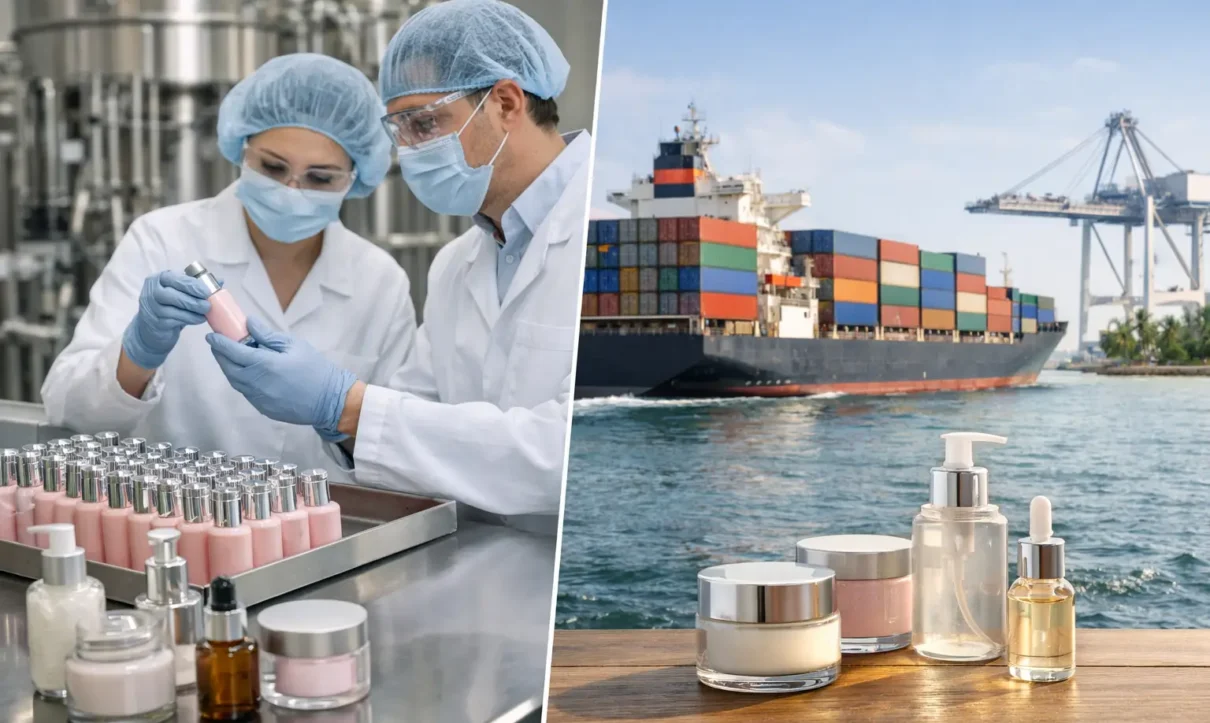
At a surface level, the difference seems simple. Local manufacturing means producing closer to your target market, often with easier access to your manufacturing partner, shorter freight routes, and closer oversight. Offshore manufacturing usually promises lower unit costs at scale, but it can introduce longer lead times, more complex logistics, and less day-to-day visibility.
In practice, the gap is wider than geography. It affects formulation collaboration, packaging coordination, minimum run flexibility, revision speed, and the amount of back-and-forth needed to move from concept to shelf-ready product.
For many beauty entrepreneurs, especially those still refining their brand identity, that flexibility matters more than they expect. A formula tweak, a packaging change, or a labeling adjustment can feel minor on paper. When your manufacturer is far away, it can slow the entire project.
Why local manufacturing often gives founders more control
Control is one of the strongest reasons brands choose a local partner. When your manufacturer is easier to reach, communication tends to be faster and more practical. Questions get answered sooner. Samples can move more quickly. Decisions that might stall a project offshore can often be resolved with less friction.
This matters most during development. Early-stage brands rarely get everything perfect on the first pass. Texture, fragrance, viscosity, fill, packaging fit, and final presentation usually need refinement. Working with a local contract manufacturer can make that process more collaborative and less transactional.
There is also the quality conversation. A strong local partner gives you better visibility into manufacturing standards, batch consistency, and QA processes. That does not mean offshore production is automatically poor quality. Plenty of offshore facilities are highly capable. But if quality control is central to your brand promise, local manufacturing often makes oversight feel more tangible and less remote.
For premium skincare, haircare, and beauty brands, that reassurance can be worth a great deal. Your customers may never see your factory, but they will absolutely notice inconsistency in the finished product.
The cost question is real, but it is rarely the full story
Offshore manufacturing is often considered for one reason first – cost. In some cases, especially with larger production volumes, offshore manufacturing can reduce per-unit costs. That can be attractive if you are focused on margin targets or planning aggressive scale.
But unit price is only one part of the financial picture. Freight, customs, warehousing, production delays, communication gaps, and rework can all affect your total cost. If a shipment arrives late or product revisions take longer than planned, the savings on paper can narrow quickly.
There is also the cost of lost momentum. If you miss a retail window, postpone a launch, or run out of stock because replenishment takes too long, the business impact goes beyond manufacturing invoices. Brand growth depends on consistency, and delays have a way of showing up in marketing performance, customer trust, and cash flow.
For newer founders, this is where local manufacturing often provides better value, even if the upfront production cost appears higher. Faster turnaround and clearer communication can save time, stress, and expensive mistakes.
Speed to market can make or break a launch
In beauty, timing matters. Trends move quickly, but so do founder expectations. Most brands want to move from idea to launch without months of avoidable delay. Local manufacturing often supports that goal because development cycles are shorter and coordination is simpler.
When formulation, packaging, compliance review, and production planning happen with a responsive local partner, projects tend to stay more manageable. You can review samples faster, make revisions sooner, and plan your launch with more confidence.
Offshore production can work well when the product is already finalized, the forecast is stable, and the business is prepared for longer planning cycles. It is less forgiving when you are still making decisions or trying to react to market demand.
For founders who want to test a concept, gather early customer feedback, and refine their line over time, local manufacturing usually offers a more practical path.
Local cosmetic manufacturing vs offshore for brand positioning
Where your product is made can influence how your brand is perceived. That does not mean every customer chooses based on manufacturing location alone. But for many premium and emerging beauty brands, local production supports a stronger story around craftsmanship, consistency, and trusted quality.
This can be especially relevant when your audience values transparency and wants confidence in how products are developed and produced. A local manufacturing relationship can also make it easier to speak with authority about formulation standards, production oversight, and product integrity.
That kind of brand credibility is hard to fake. It comes from knowing your supply chain and having a partner who understands your vision, not just your purchase order.
When offshore manufacturing can make sense
Offshore manufacturing is not the wrong choice by default. For some brands, it is the right operational move. If you have a mature product line, established demand, and the internal systems to manage longer lead times and more complex logistics, offshore production can support scale efficiently.
It can also make sense when your formulas are locked, your packaging is standardized, and your business is less dependent on rapid adjustments. In that scenario, offshore production may offer economic advantages that align with your growth stage.
The key is readiness. Offshore manufacturing tends to reward brands that are already organized, forecast-driven, and comfortable managing a more layered supply chain. It is usually less forgiving for founders who are still learning what their market wants.
Why many growing brands start local first
A common pattern in beauty is to start local, build proof of concept, and then reassess manufacturing strategy as volume grows. That approach gives founders room to refine formulas, packaging, and positioning before adding the complexity of offshore supply.
It also helps create a stronger operational foundation. When you know your hero products are selling, your reorder rhythm is clearer, and your brand standards are well defined, every future manufacturing decision becomes easier.
For many businesses, local manufacturing is not just a production choice. It is a way to reduce early risk while building a product line that is ready to scale.
That is where a full-service partner adds real value. Working with an experienced cosmetic manufacturer that supports formulation development, production, and quality control under one roof can simplify the path from concept to finished product. Instead of managing disconnected vendors, you can build with one team focused on consistency and execution.
How to choose the right path for your brand
The better question is not whether local or offshore is universally best. It is which option fits your brand’s current stage, product complexity, launch timeline, and tolerance for operational risk.
If you want close collaboration, easier communication, faster sampling, and stronger oversight, local manufacturing is often the smarter move. If your business is highly structured, your demand is predictable, and your priority is larger-scale cost efficiency, offshore may be worth exploring.
Most founders benefit from being honest about what they need right now, not what they imagine they will need two years from now. Early growth usually rewards clarity, agility, and strong partnerships more than theoretical cost savings.
A manufacturing partner should help you make better decisions, not just produce units. That means asking the right questions about your goals, product category, timeline, and future scale plans. It also means choosing a partner that can translate your brand vision into products that feel premium, consistent, and ready for market.
If you are weighing local cosmetic manufacturing vs offshore and want a clearer path for your skincare, haircare, or beauty line, GlowSense can help you assess the best fit for your brand. Contact us for a free quote or consultation and bring your next product to life with precision, care, and confidence.
The strongest beauty brands are not built by chasing the cheapest option. They are built by making smart decisions early, so every launch feels more intentional than rushed.